- Published on
Get out of your head
- Author
-
-

- Name
- Posts
- Posts
-
Researchers of narrative therapy such as Freedman and Combs (1996) and White and Epston (1990) have argued convincingly that healing from mental health issues requires externalizing phrases, images, and emotions that we believe to exist "inside" of us. Once "outside," these phrases, images, and emotions take on new characteristics as they tangle with the material world. Storytelling, for example, accomplishes this goal. By telling our stories, i.e., by narrating our experiences, we package our lived history in ways that appeal to others and, in turn, we create the possibility that others will validate our experiences, shed light on certain mysteries, and provide insights into our personal struggles, thereby fostering a sense of togetherness in the world.
I adapted these ideas in today's art therapy group. (See the previous blog post for another analysis of art therapy in action.) This group invited clients to practice externalizing the substance use and mental health problems that they typically restrict to their “internal” or “mental” self. The purpose of externalizing problems, again, is to gain perspective on something that often masquerades as “natural” or “given” but is, to the contrary, constructed, in part through our thoughts and beliefs about the malady. By undertaking this externalization process in a group therapy setting, clients can collaborate on the production of new perspectives and generate viewpoints that could be pleasantly surprising and/or unexpected.
Here are the instructions I gave to a group of seven clients
I adapted these ideas in today's art therapy group. (See the previous blog post for another analysis of art therapy in action.) This group invited clients to practice externalizing the substance use and mental health problems that they typically restrict to their “internal” or “mental” self. The purpose of externalizing problems, again, is to gain perspective on something that often masquerades as “natural” or “given” but is, to the contrary, constructed, in part through our thoughts and beliefs about the malady. By undertaking this externalization process in a group therapy setting, clients can collaborate on the production of new perspectives and generate viewpoints that could be pleasantly surprising and/or unexpected.
Here are the instructions I gave to a group of seven clients
- Each person starts with a piece of paper and a pen, colored pencil, crayon, or marker. The first instruction is: draw a line on the paper that represents your struggle with addiction
- Hand the paper to the person to your left. With the new piece of paper in front of you, look at the line on the paper and add a new line that represents the road of recovery required to remedy that specific addiction
- Hand the paper to the person to your left. With the new piece of paper in front of you, reflect on the two lines and then add colors that emphasize the emotions you see in the lines
- Hand the paper to the left. With the new piece of paper, add a new color to the page that represents challenges that could prevent long-term recovery
- Hand the paper to the left. Look at the paper you received. Something is missing from it. What is that missing thing? Add it.
- Hand the paper to the left one more time. Look at the new piece of paper and add a title to the image, one that fits the color, shapes, and lines you see on the page
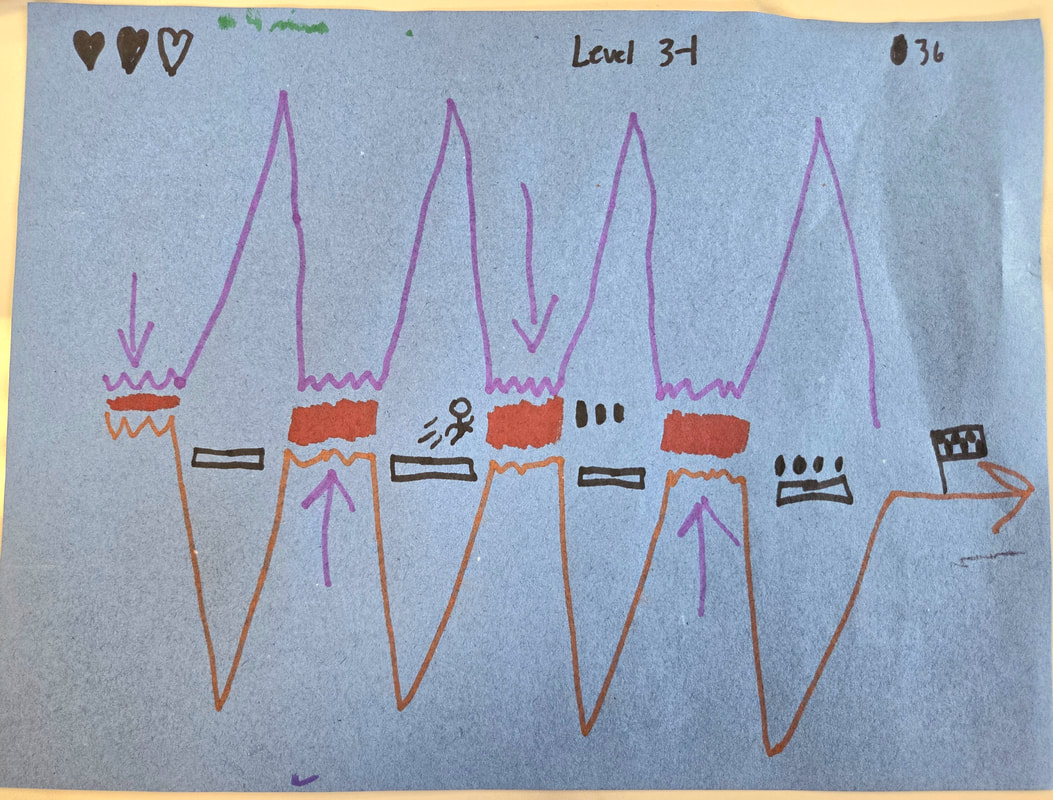
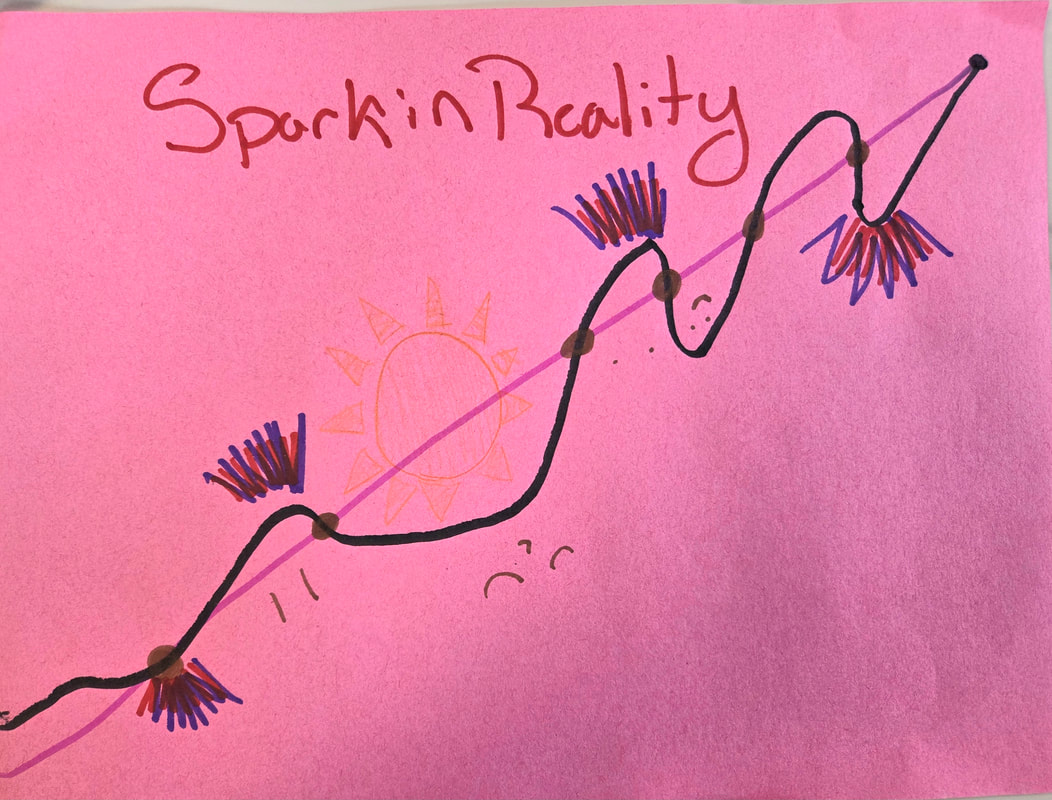
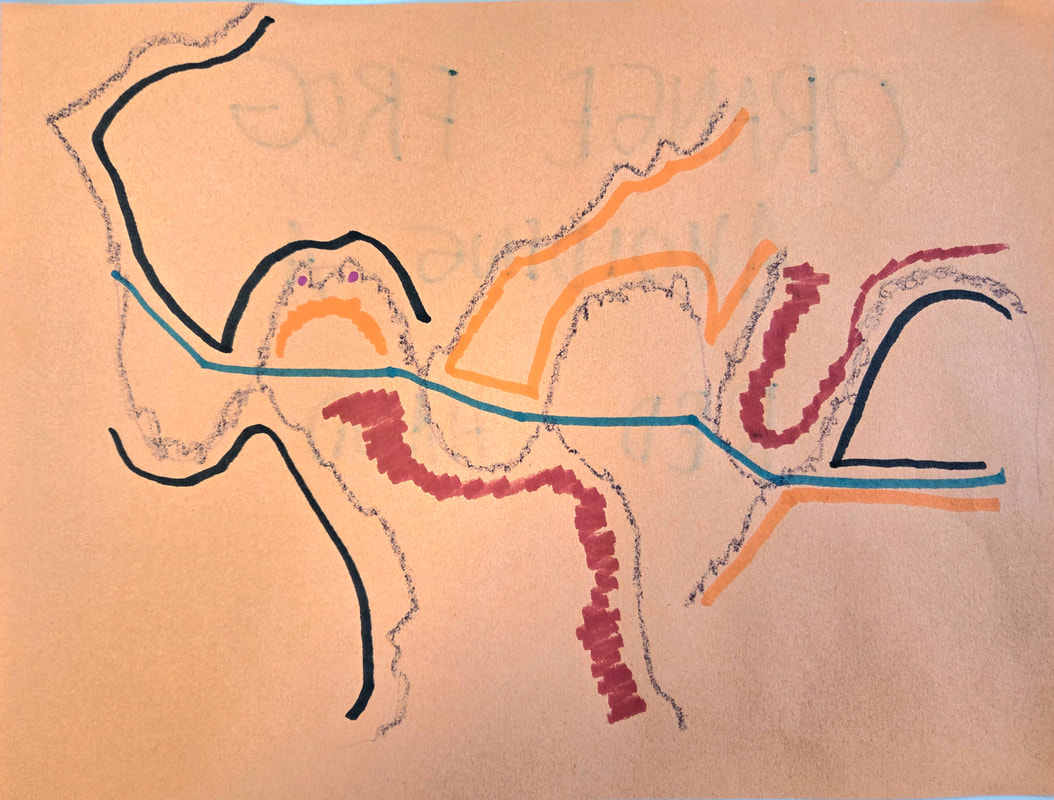
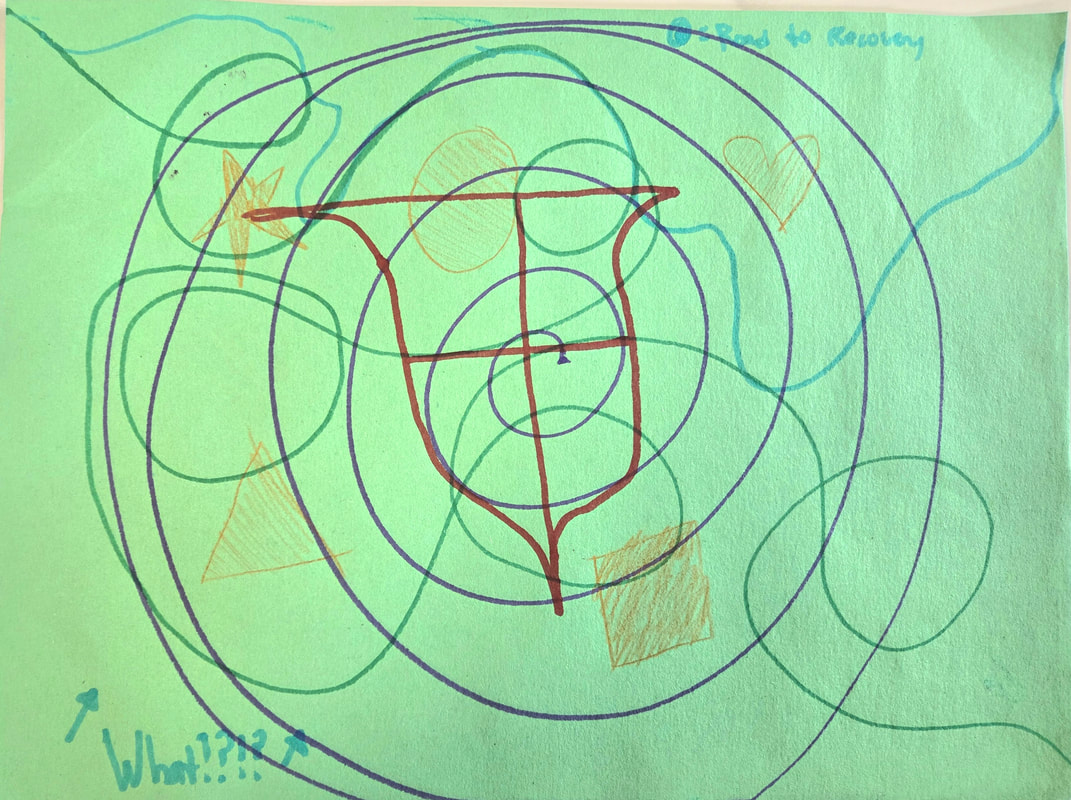
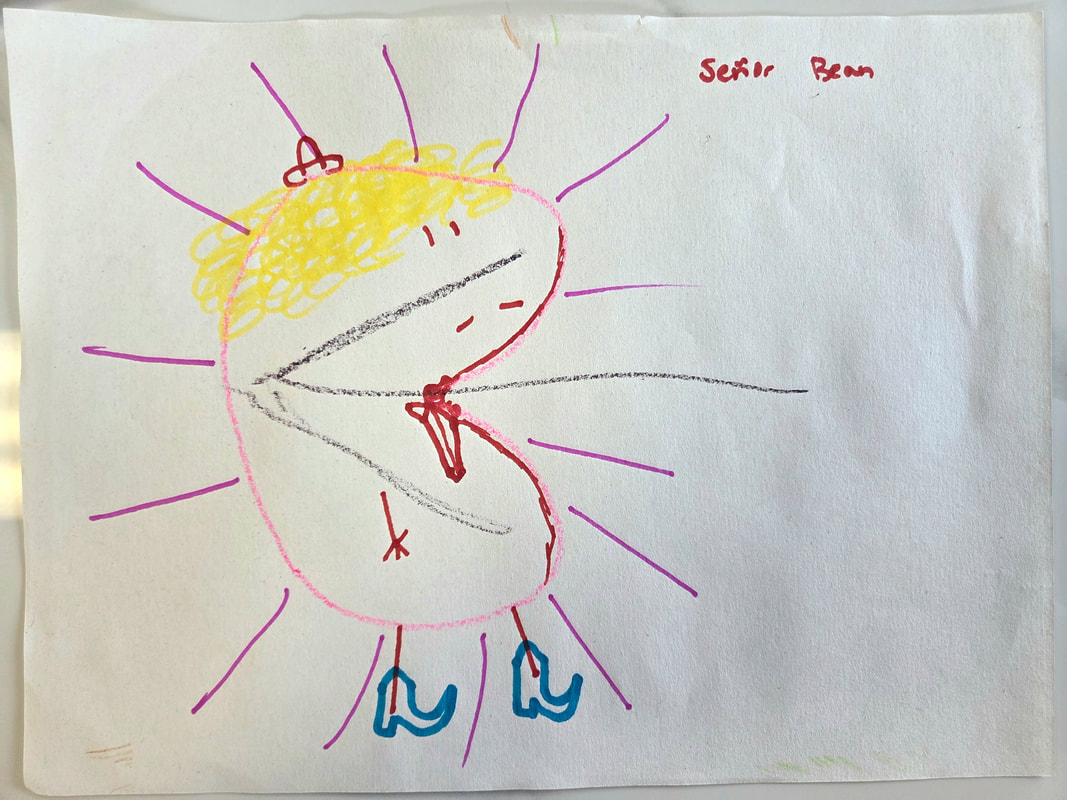
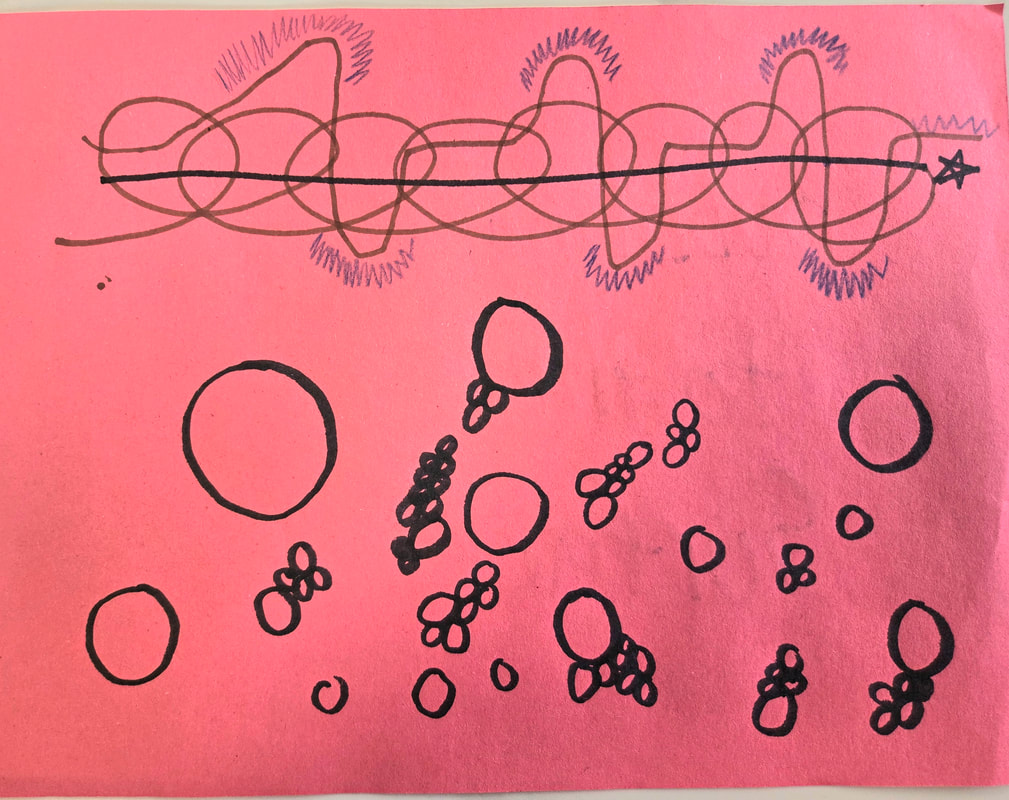
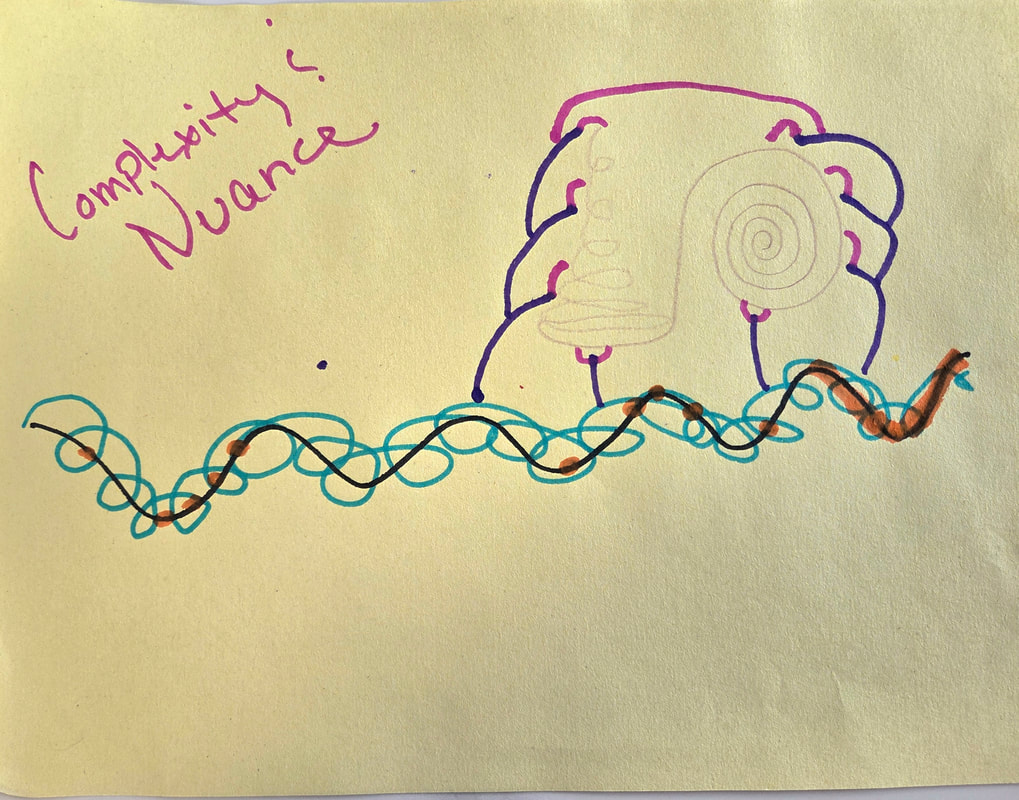
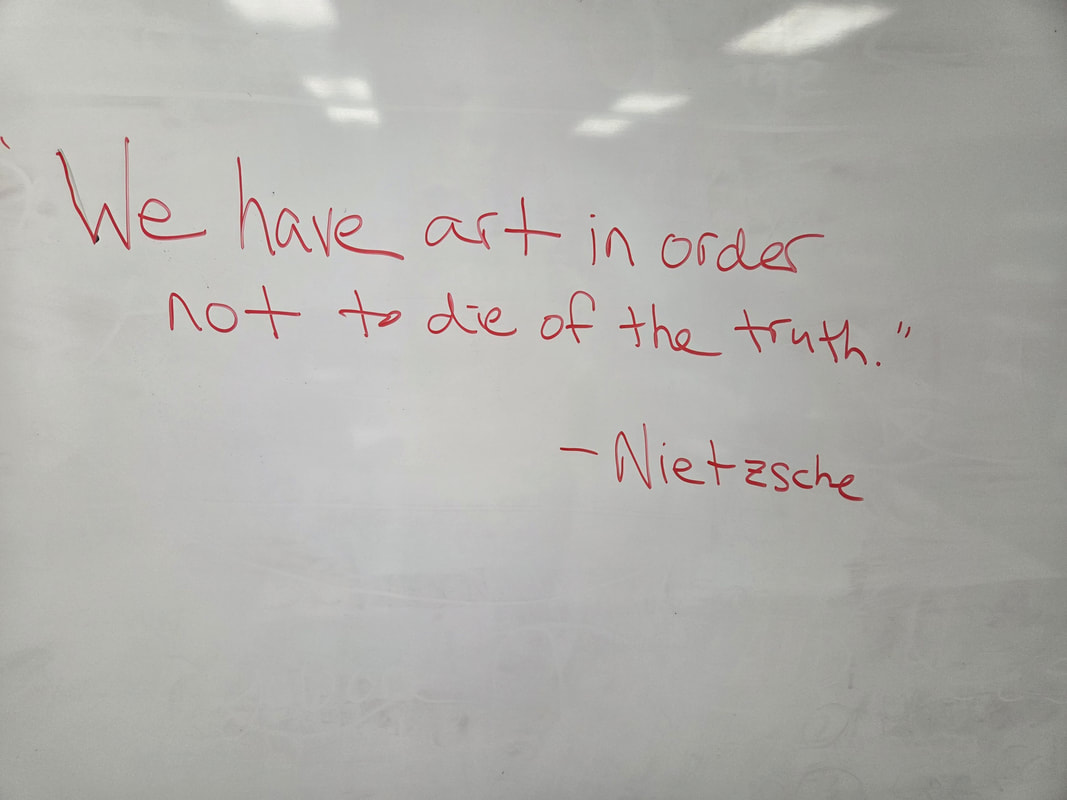
The slideshow shows the results of the activity. I placed the artworks on the floor and asked clients the following questions: What if these artworks were the only things we had to guide us through recovery? What if there were no 12-step programs, no evidence-based practices, no research on addiction? What if you had to figure out how to live your life according to these images alone? How would you go about healing yourself?
Of the many take-aways from this activity, here's a vital one. The first line drawn on the page may be someone's unique expression of their struggle with addiction. But the path forward from that point will not transpire in isolation. Others will necessarily add to that first "line." As such, we benefit from working together to produce an artful way of moving from the first line to the caption we'd like to include beneath the finished product of our recovery journey.
Of the many take-aways from this activity, here's a vital one. The first line drawn on the page may be someone's unique expression of their struggle with addiction. But the path forward from that point will not transpire in isolation. Others will necessarily add to that first "line." As such, we benefit from working together to produce an artful way of moving from the first line to the caption we'd like to include beneath the finished product of our recovery journey.
Works cited:
Freedman, J., Combs, G. (1996). Narrative therapy: The social construction of preferred realities. New York : W. W. Norton.
White, M., Epston, D. (1990). Narrative means to therapeutic ends. New York : W. W. Norton.
Freedman, J., Combs, G. (1996). Narrative therapy: The social construction of preferred realities. New York : W. W. Norton.
White, M., Epston, D. (1990). Narrative means to therapeutic ends. New York : W. W. Norton.
0 Comments